
Child soldiers
CHILD SOLDIERS is a photographic project that sheds light on a painful and often overlooked reality.
Through images, it aims to raise awareness among the public about children involved in armed conflicts and the devastating consequences war can have on young lives.
Child soldier #1
Digital art
2024
30×40
Valentina Bersiga
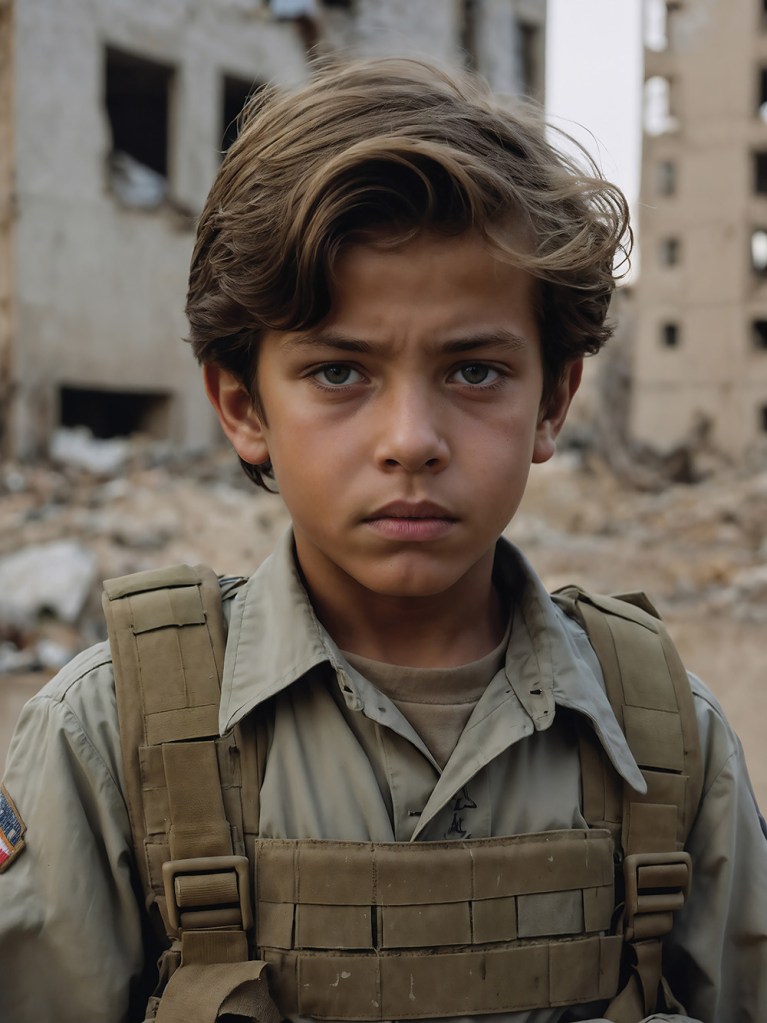
Child soldier #2
Digital art
2024
30×40
Valentina Bersiga

Child soldier #3
Digital art
2024
30×40
Valentina Bersiga
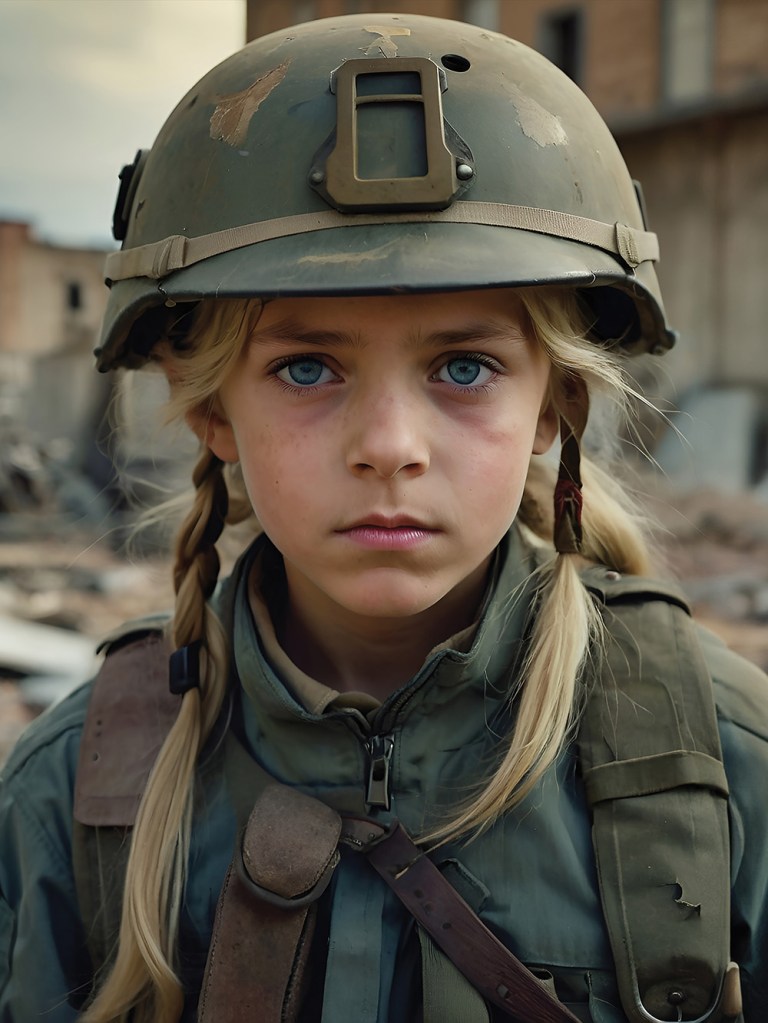
Child soldier #4
Digital art
2024
30×40
Valentina Bersiga
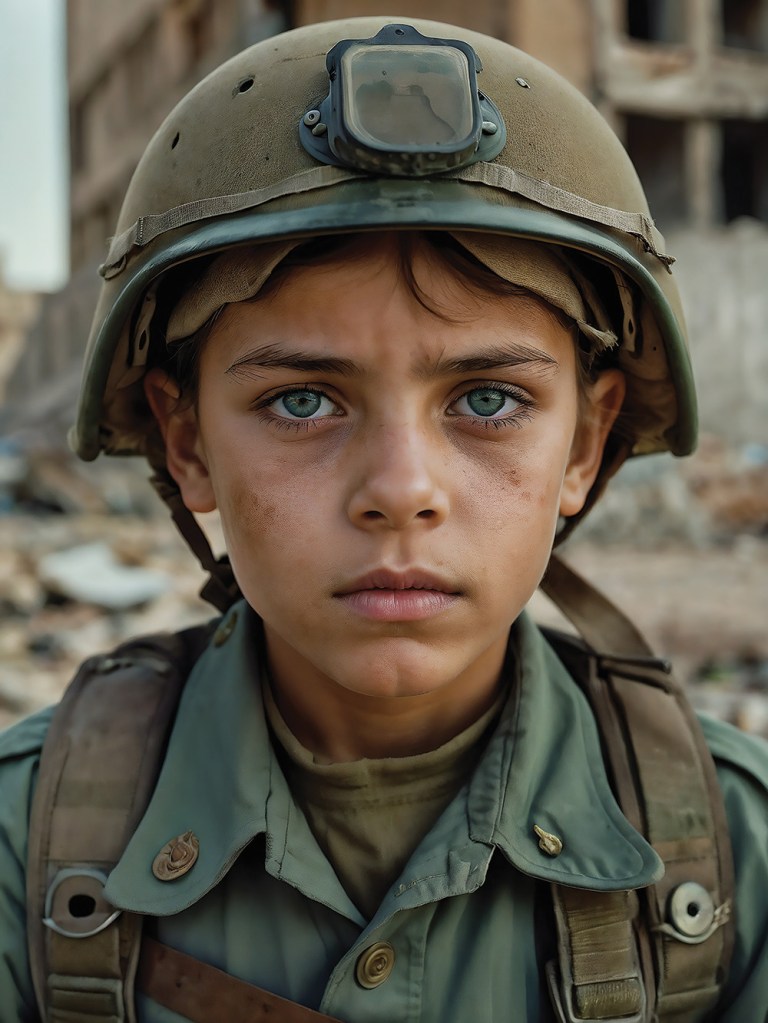
Child soldier #5
Digital art
2024
30×40
Valentina Bersiga
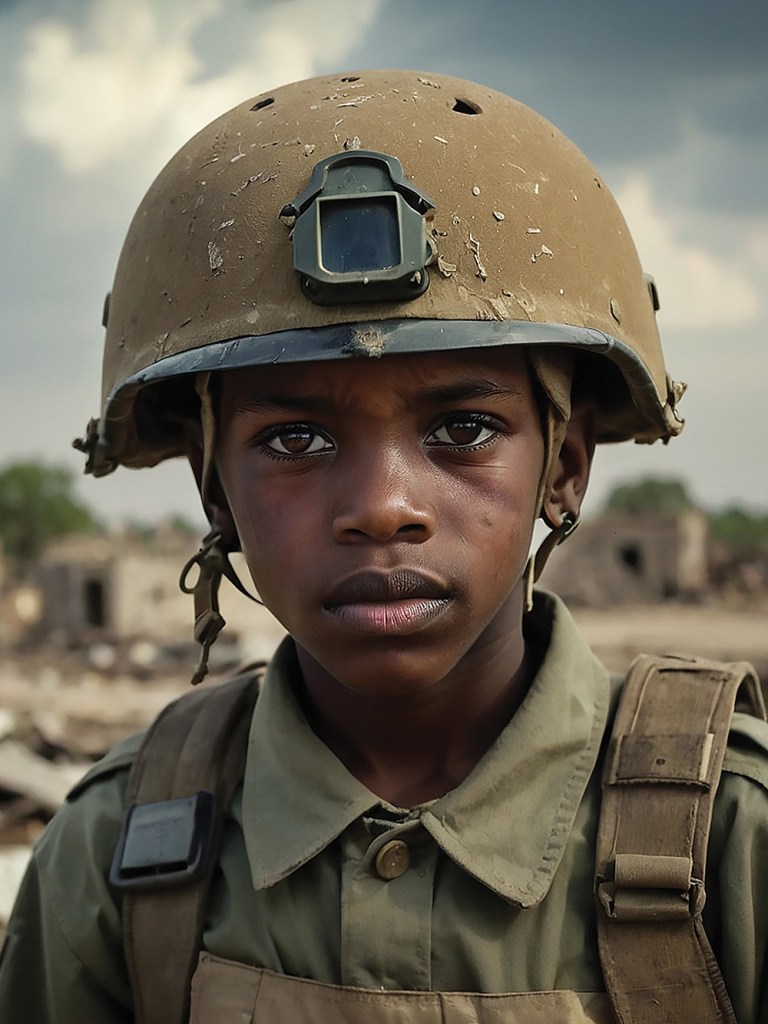
Child soldier #6
Digital art
2024
30×40
Valentina Bersiga
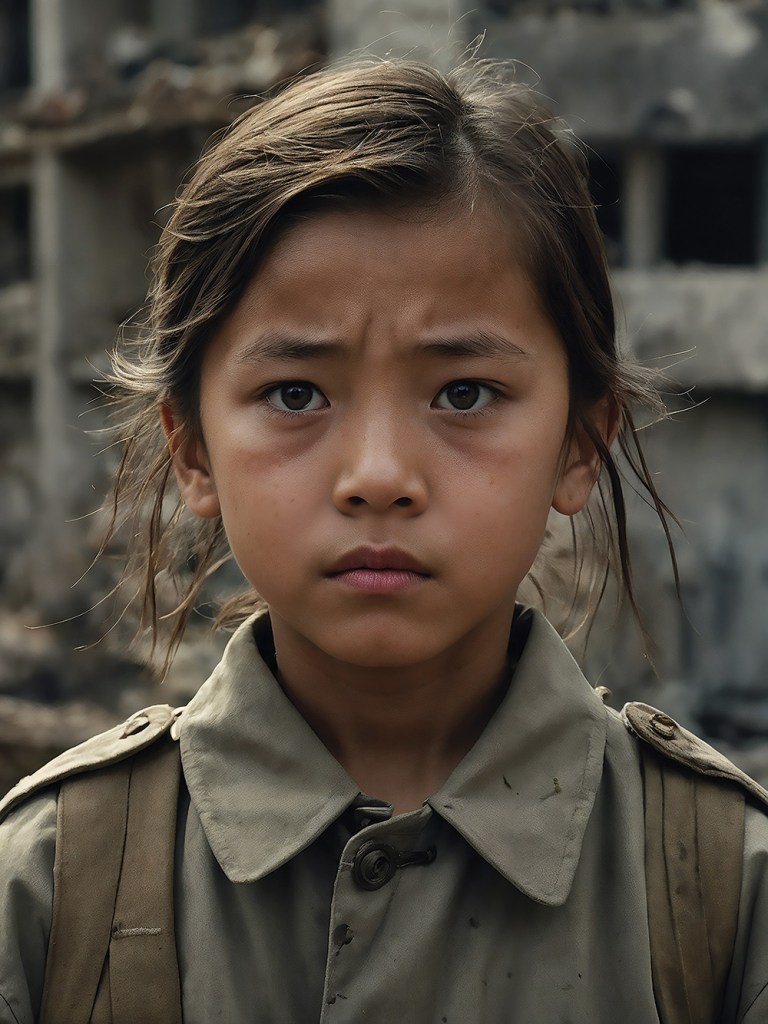
Child soldier #7
Digital art
2024
30×40
Valentina Bersiga

Child soldier #8
Digital art
2024
30×40
Valentina Bersiga
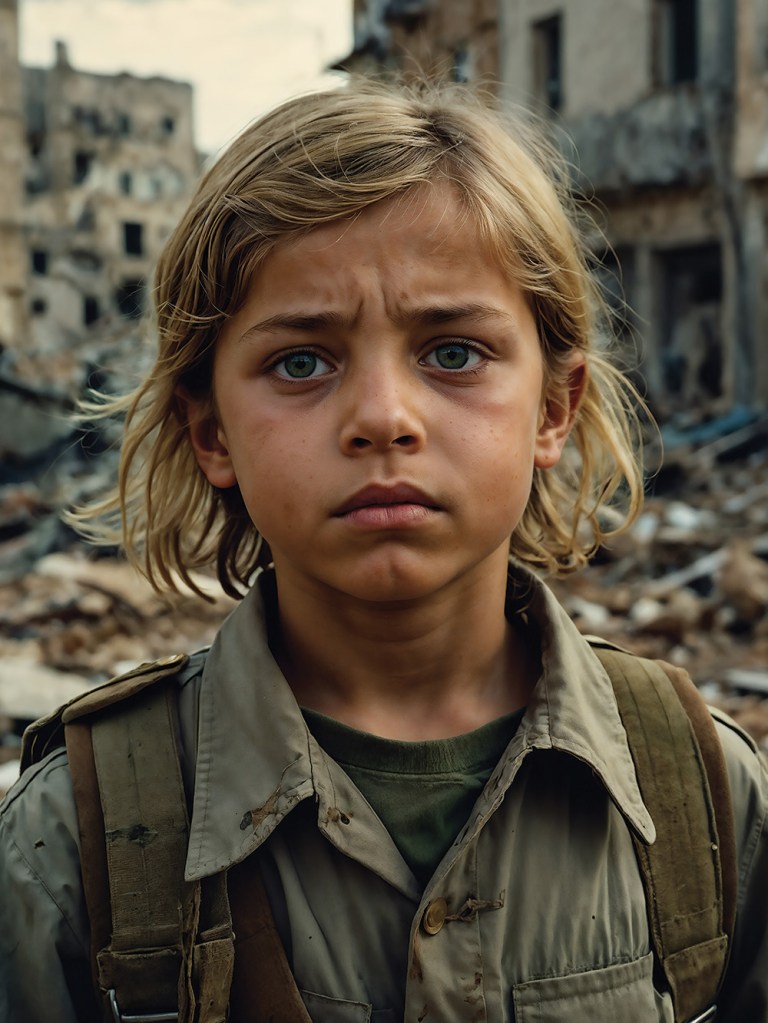
Child soldier #9
Digital art
2024
30×40
Valentina Bersiga
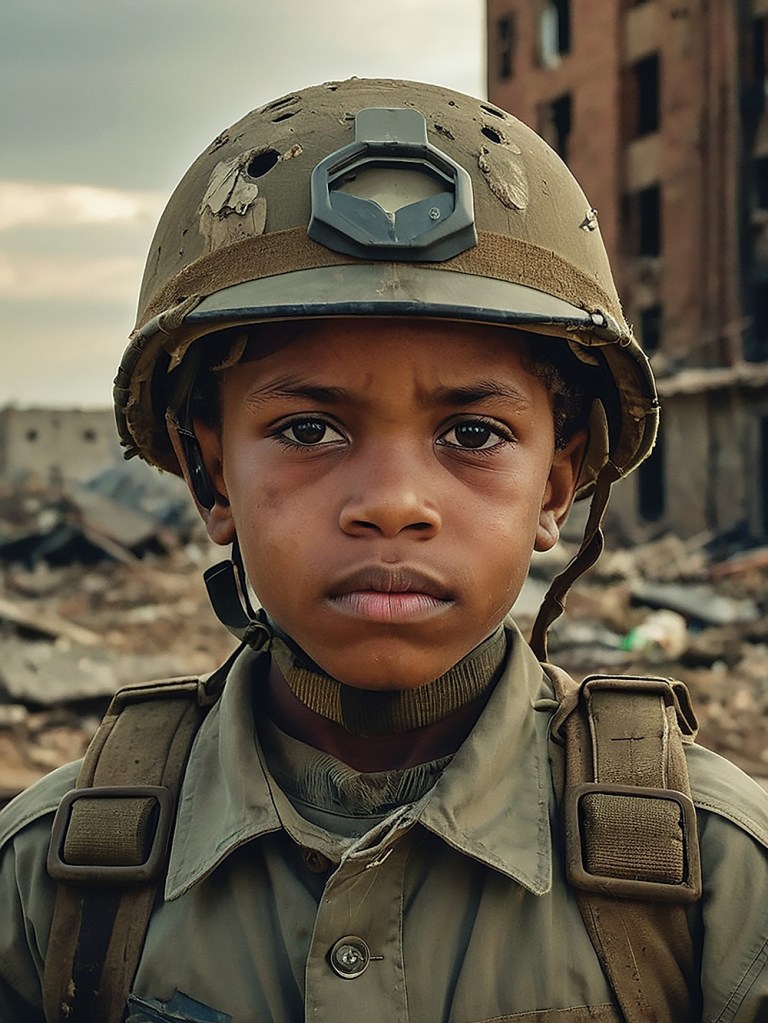
Child soldier #10
Digital art
2024
30×40
Valentina Bersiga
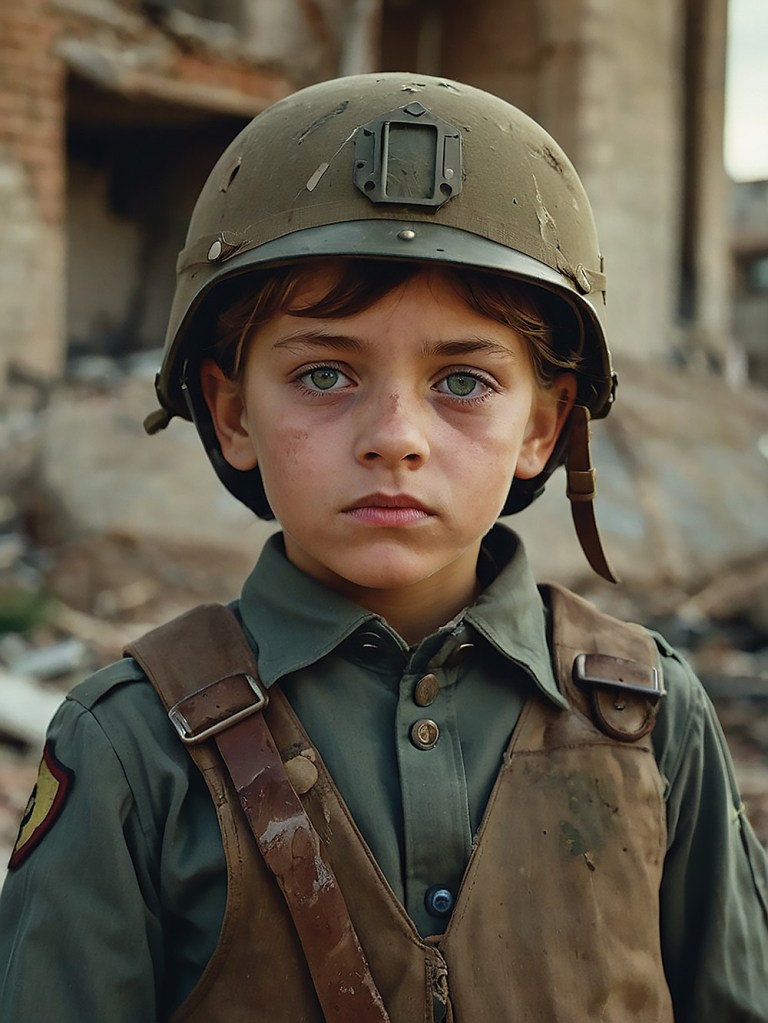
Child soldier #11
Digital art
2024
30×40
Valentina Bersiga
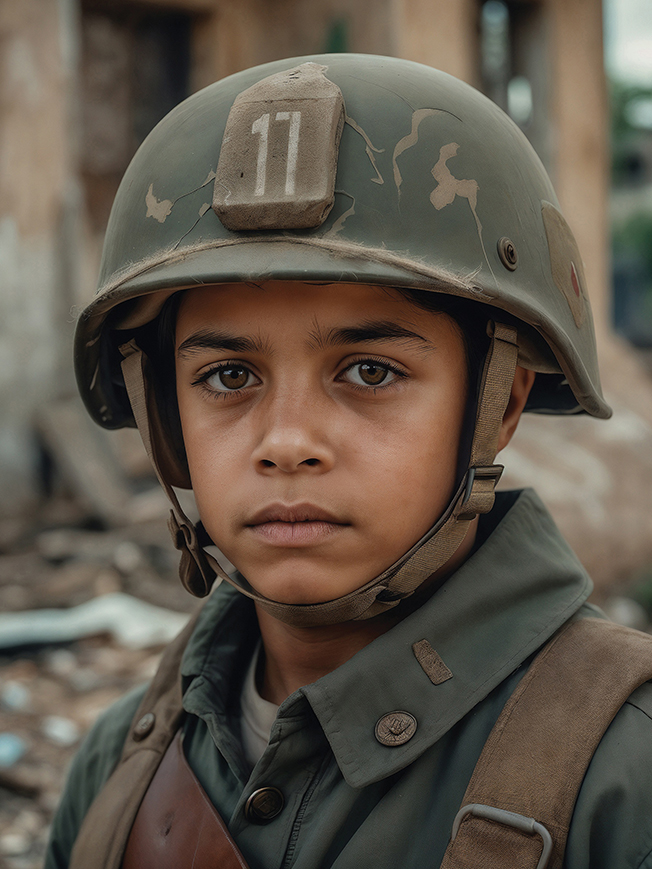
Child soldier #12
Digital art
2024
30×40
Valentina Bersiga

Child soldier #13
Digital art
2024
30×40
Valentina Bersiga
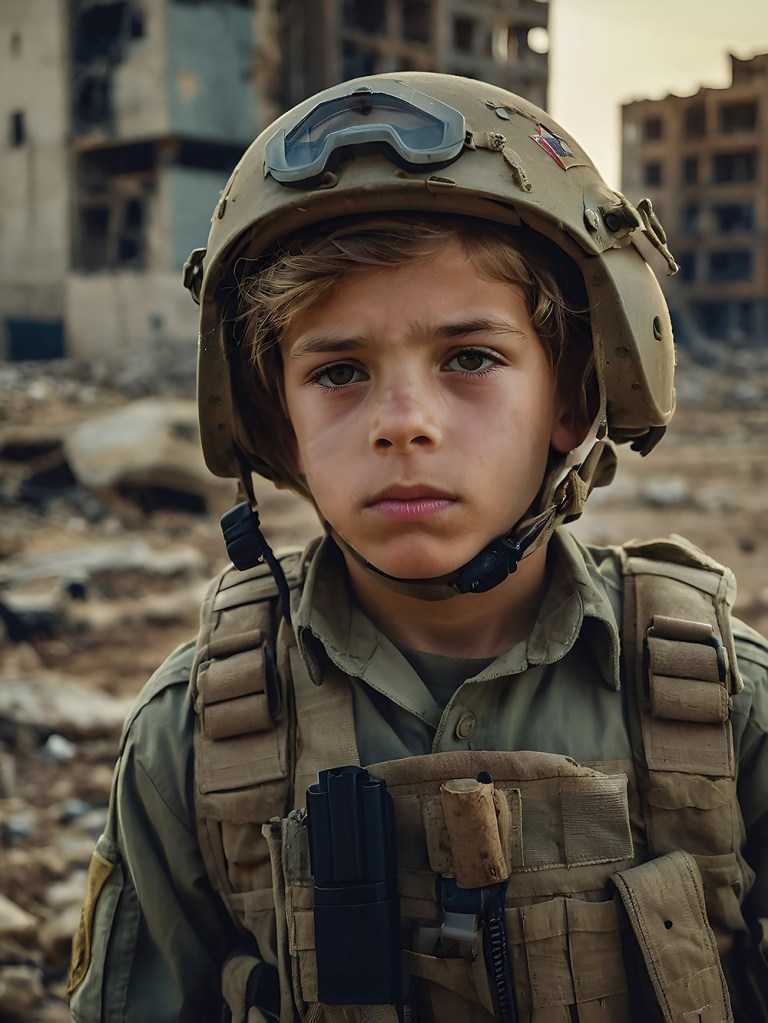
Child soldier #14
Digital art
2024
30×40
Valentina Bersiga

Child soldier #15
Digital art
2024
30×40
Valentina Bersiga
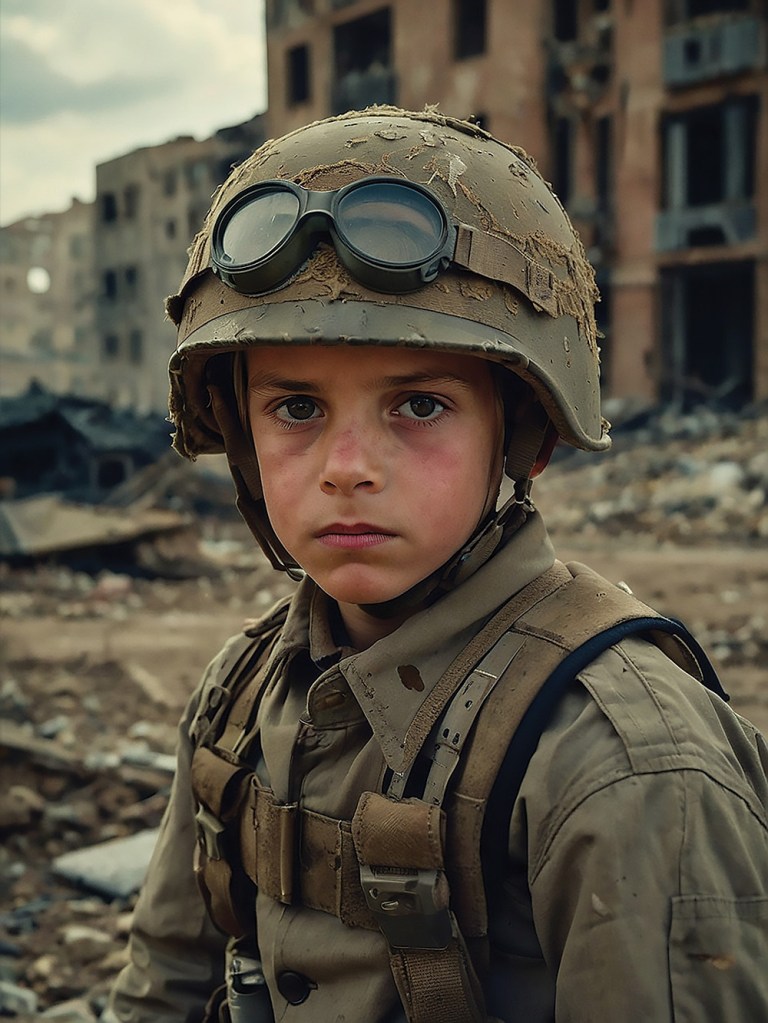
Child soldier #16
Digital art
2024
30×40
Valentina Bersiga

Child soldier #17
Digital art
2024
30×40
Valentina Bersiga
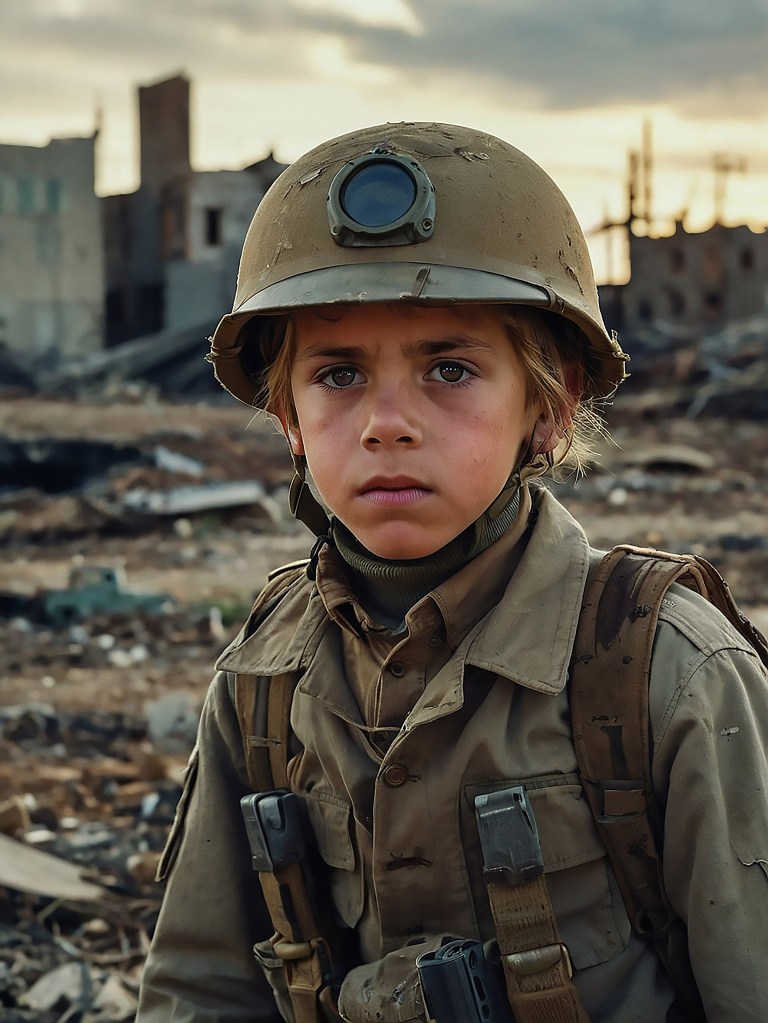
Child soldier #18
Digital art
2024
30×40
Valentina Bersiga

Child soldier #19
Digital art
2024
30×40
Valentina Bersiga

Child soldier #20
Digital art
2024
30×40
Valentina Bersiga
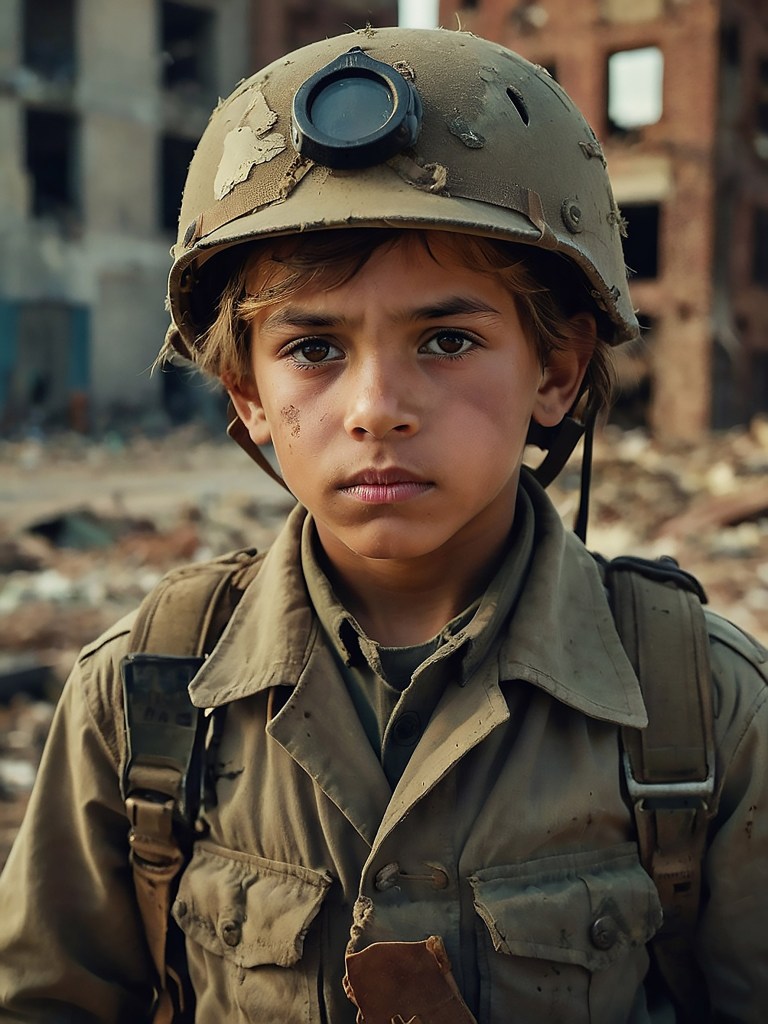
Child soldier #21
Digital art
2024
30×40
Valentina Bersiga
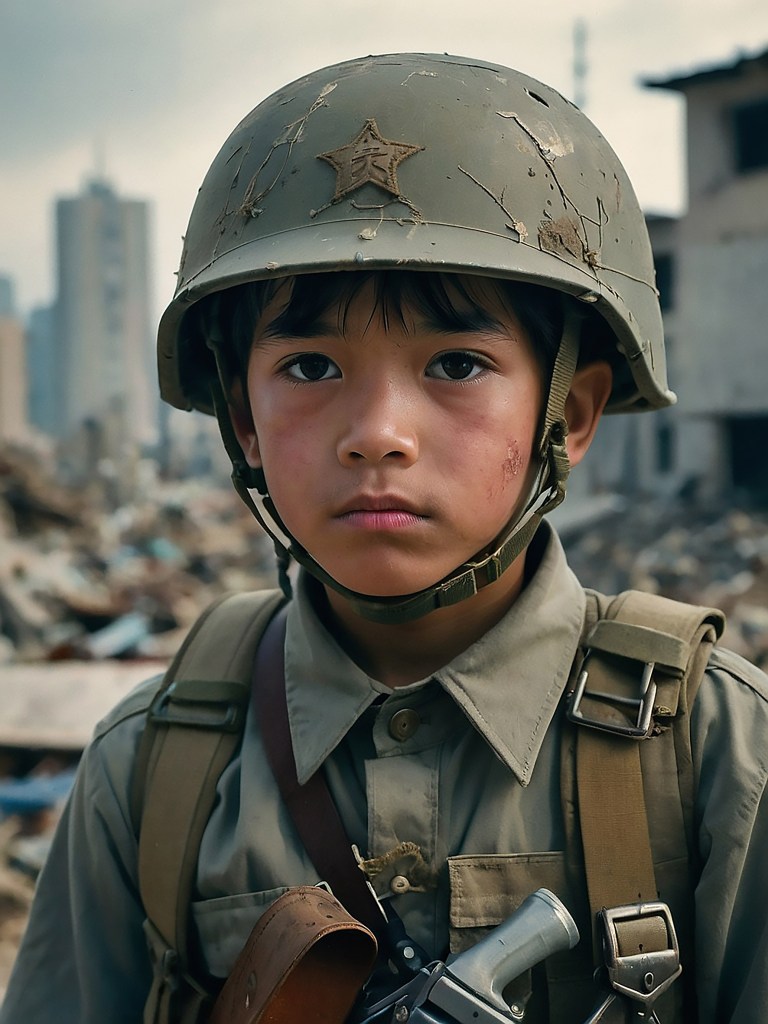
Child soldier #22
Digital art
2024
30×40
Valentina Bersiga
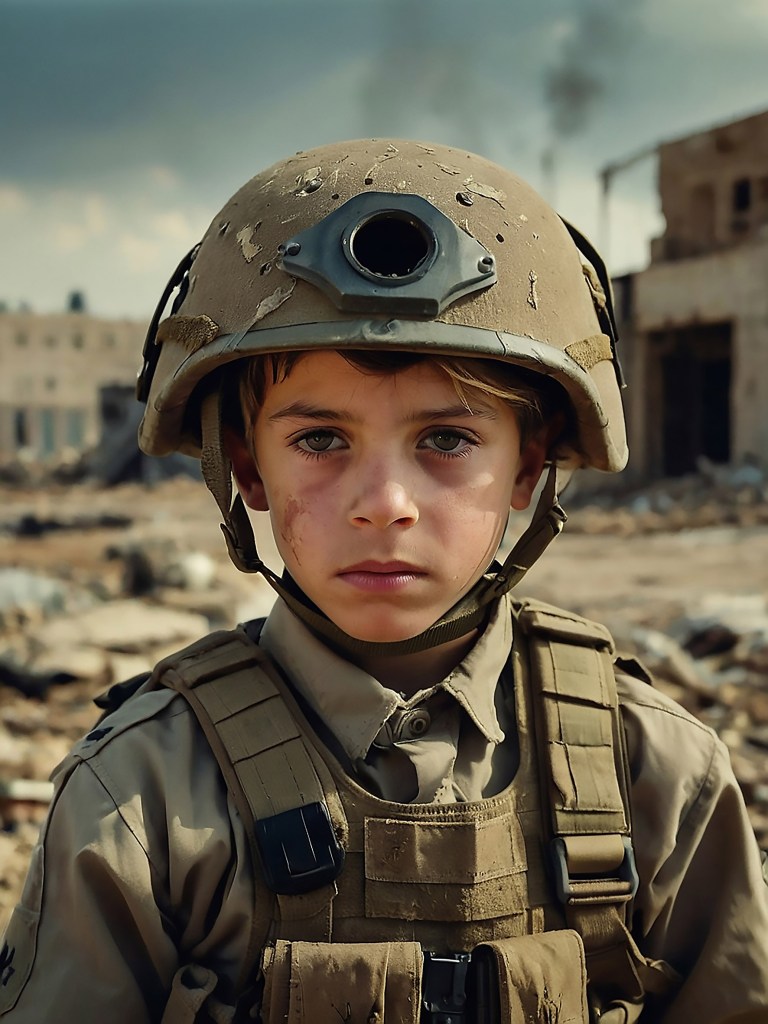
Child soldier #23
Digital art
2024
30×40
Valentina Bersiga

L’installazione “Child Soldiers” è composta da 33 ritratti di bambini e bambine soldati, ciascuno di dimensioni 30×40. Questi ritratti sono stati creati artificialmente utilizzando strumenti di intelligenza artificiale e programmi di fotoritocco.
I soggetti dei ritratti provengono da diverse etnie, paesi e sfondi culturali, ma tutti condividono uno sguardo preoccupato e spaventato rivolto verso l’obiettivo della fotocamera, riflettendo il sentimento dello spettatore. L’età dei protagonisti è uniforme (10 anni), e tutti sono ambientati in contesti di distruzione e indossano uniformi militari.
L’uso delle uniformi militari è un segnale dell’artificialità delle foto, ma anche un punto di riflessione. Le uniformi e gli accessori militari richiamano le caratteristiche estetiche del paese di origine di ciascun bambino, ma sono anche “impossibili” perché non esistono uniformi di tali dimensioni commercializzate oggi. Nei paesi in cui i bambini vengono impiegati militarmente, spesso vengono mandati a morire con equipaggiamenti inadeguati o si utilizzano uniformi per adulti adattate, di conseguenza non stiamo guardando la realtà, ma una proiezione mentale che potrebbe diventare reale.
Guardare bambini di diverse nazionalità, con uniformi su misura e sguardi segnati dall’orrore, ci proietta in un futuro inquietante, ma non troppo lontano. È un monito affinché cerchiamo soluzioni per proteggere i giovani e risolvere i conflitti globali fin da oggi.
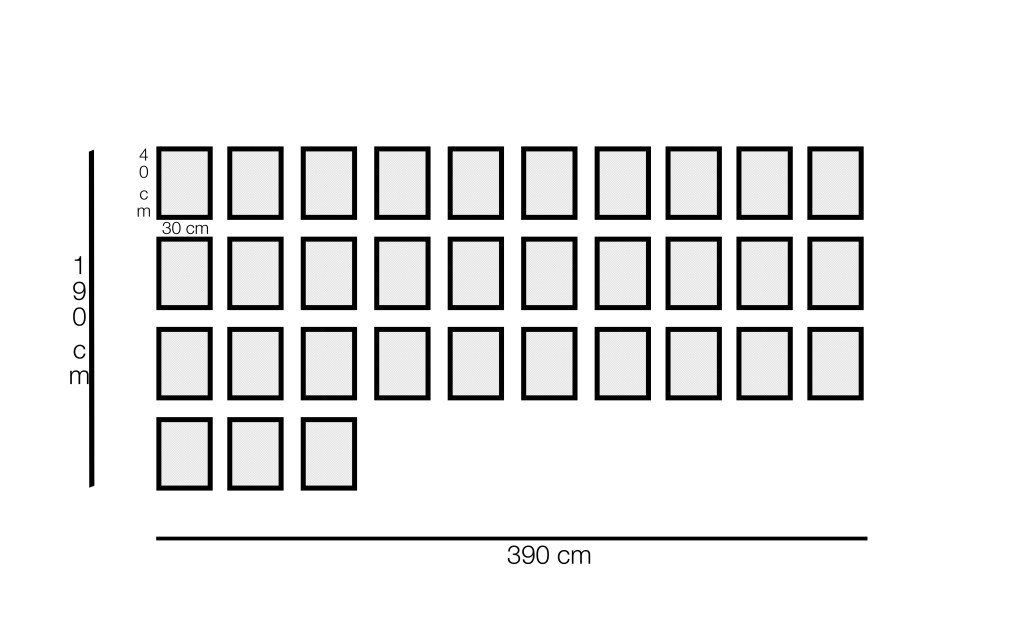
I 33 ritratti sono disposti in tre file parallele da dieci, ricordando una grande lapide in memoria dei caduti, con un’ultima fila contenente solo tre ritratti. Questo spazio vuoto invita lo spettatore a riflettere: potrebbe rappresentare nostro figlio o un bambino che conosciamo? Sarà presto riempito o rimarrà vuoto per sempre, a seconda delle azioni dell’umanità di fronte all’orrore?
The installation “Child Soldiers” consists of 33 portraits of boy and girl soldiers, each measuring 30×40. These portraits were artificially created using AI tools and photo editing programs.
The subjects of the portraits come from different ethnicities, countries and cultural backgrounds, but they all share a worried and frightened look towards the camera lens, reflecting the viewer’s sentiment. The age of the protagonists is uniform (10 years old), and all are set in contexts of destruction and wear military uniforms.
The use of military uniforms is a sign of the artificiality of the photos, but also a point of reflection. Military uniforms and accessories recall the aesthetic characteristics of each child’s country of origin, but they are also “impossible” because there are no uniforms of this size marketed today. In countries where children are used militarily, they are often sent to their deaths with inadequate equipment or are used in adapted adult uniforms, as a result we are not looking at reality, but a mental projection that could become real.
Watching children of different nationalities, with tailored uniforms and stares marked by horror, propels us into an unsettling, but not too distant future. It is a reminder to seek solutions to protect young people and resolve global conflicts today.
The 33 portraits are arranged in three parallel rows of ten, reminiscent of a large plaque in memory of the fallen, with a final row containing only three portraits. This empty space invites the viewer to reflect: could it represent our child or a child we know? Will it soon be filled, or will it remain empty forever, depending on humanity’s actions in the face of horror?
 Valentina Bersiga